
Connecting Welfare, Vocational Skills, and the Green Economy
Long-term poverty alleviation requires more than emergency ration packs—it requires practical skills that allow families to earn a steady, dignified livelihood. As Pakistan invests in reforestation, solar energy, water conservation, and climate-smart agriculture, there is growing local demand for trained grassroots workers.
Jamila Welfare Foundation’s Green Skills & Sustainable Livelihoods Initiative is structured to bridge this gap for unemployed youth, rural women, and small growers.
Training & Income Pathways
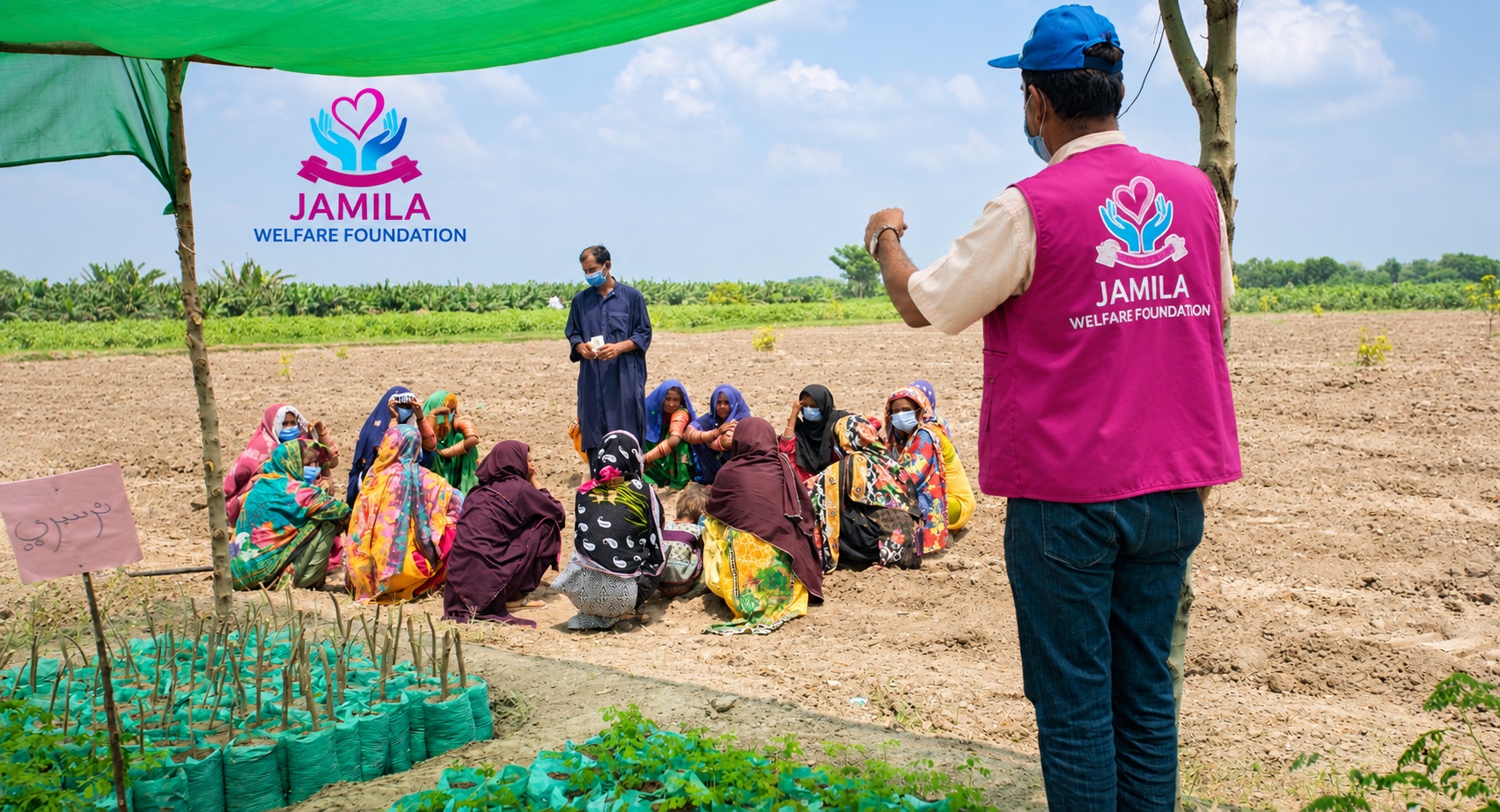
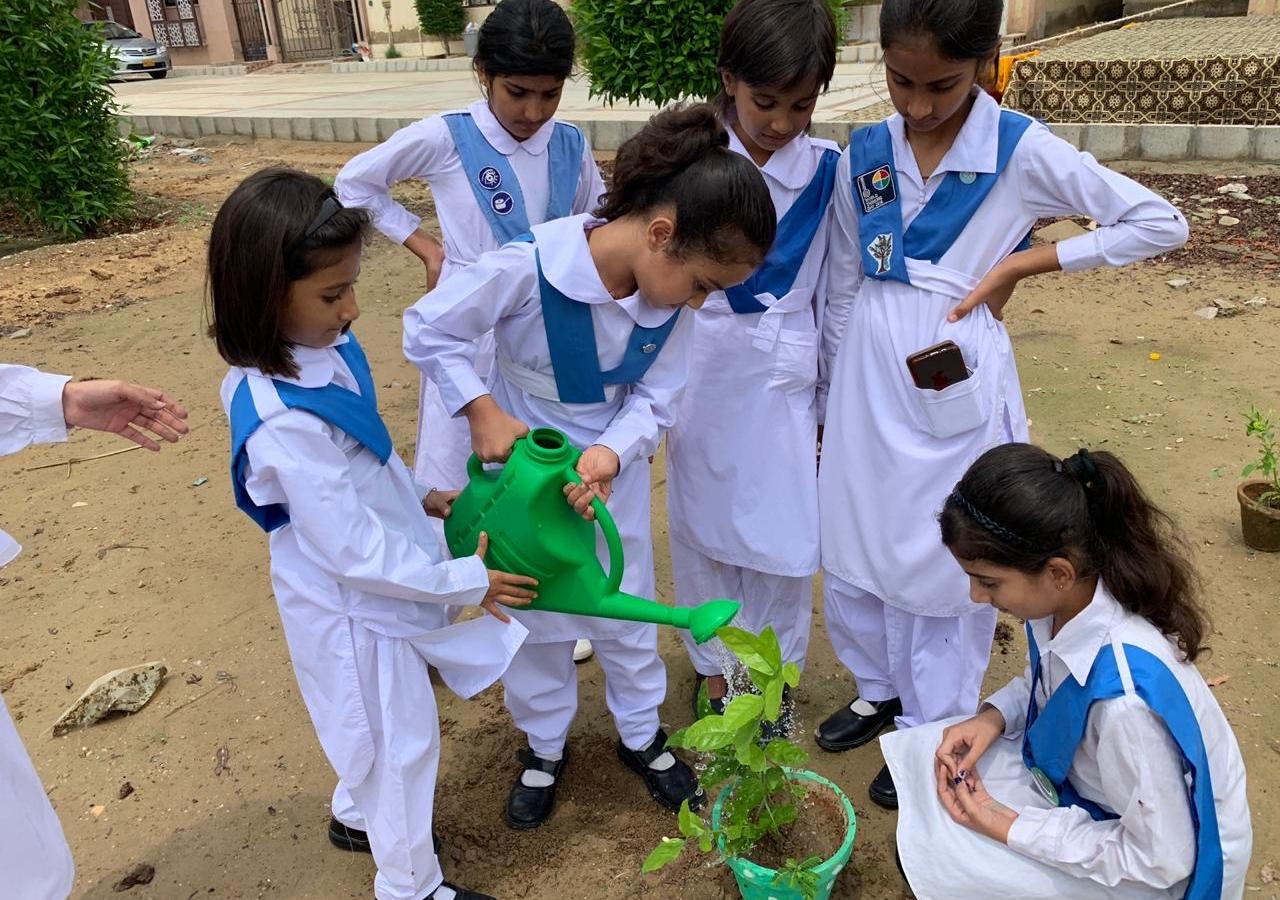
Seedling Nursery Management & Sapling Care
Seed collection, potting mix preparation, poly-bag propagation, grafting, shade-net care, and post-plantation maintenance for community and institutional tree drives.
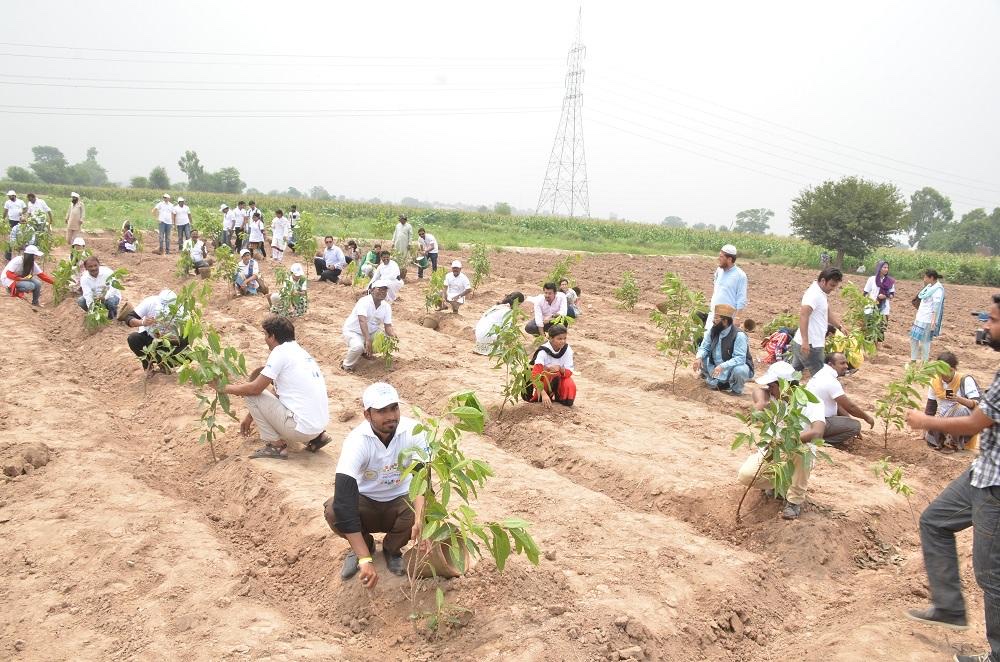
Composting & Organic Soil Preparation
Producing high-grade organic compost and natural soil amendments from agricultural and green waste for sale to urban gardeners, nurseries, and local farms.
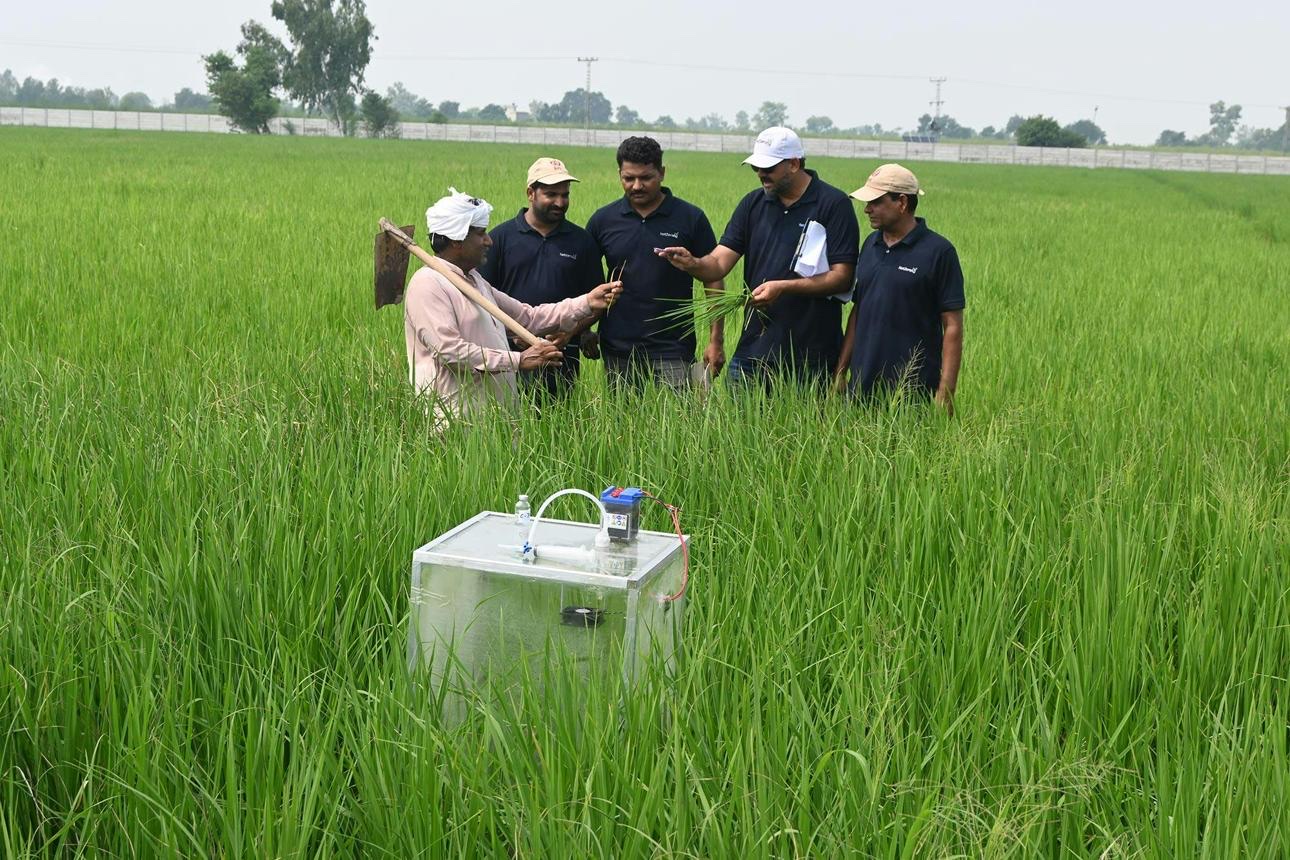
Climate-Smart Farming & Kitchen Gardening
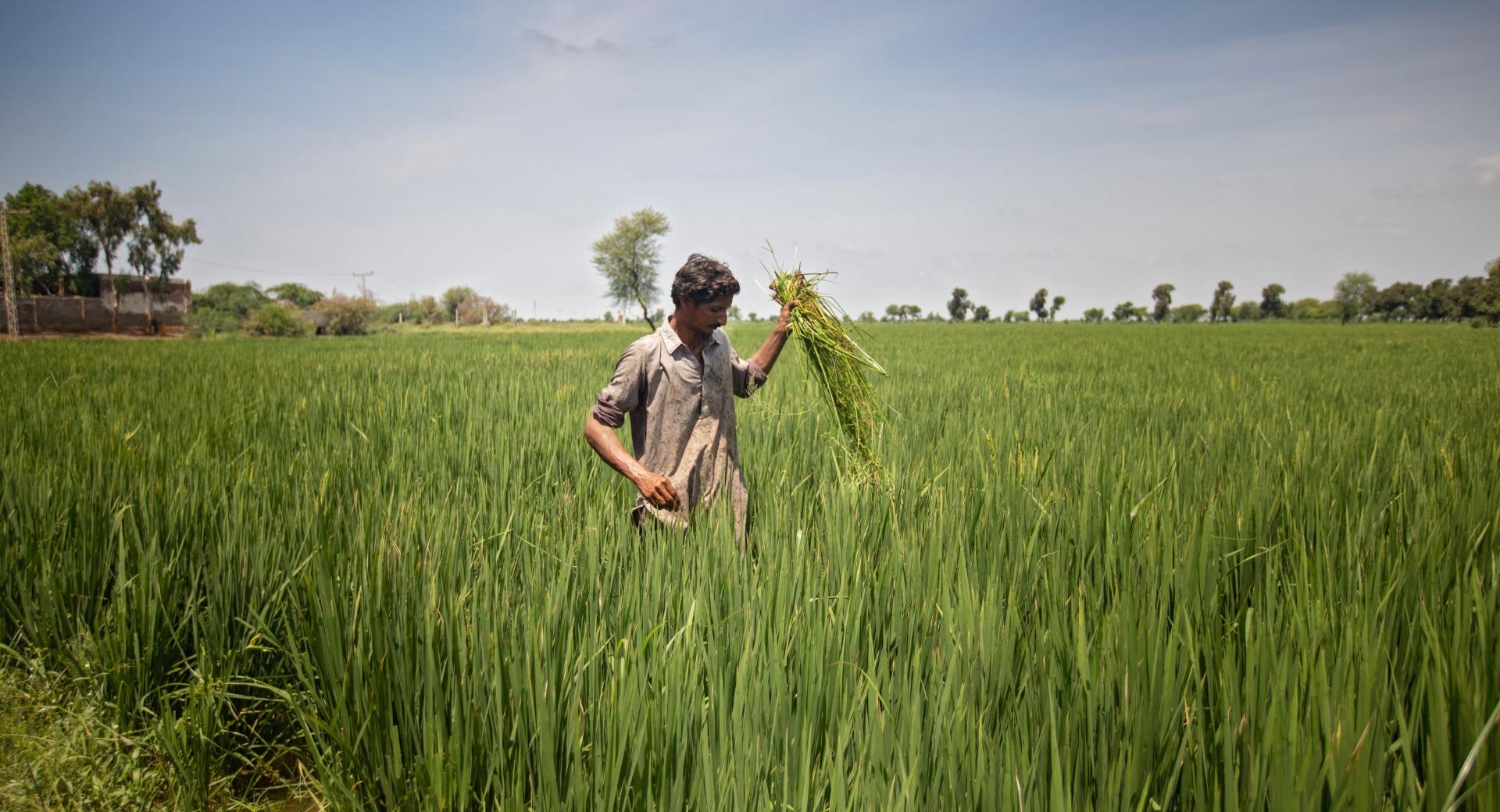
Seasonal vegetable production, mulching, organic pest management, and boundary agroforestry for smallholder farmers and women-led home nurseries.
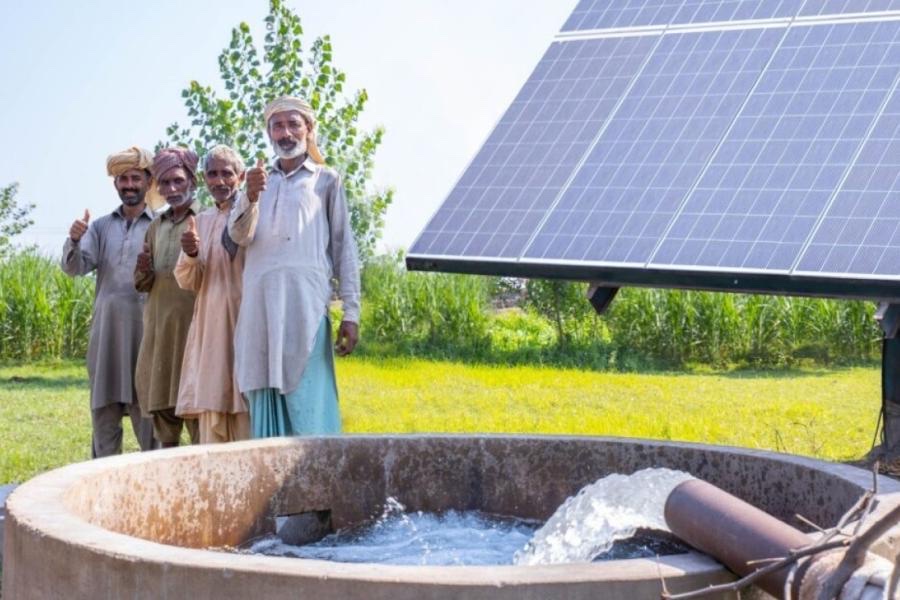
Solar Water Pump & Basic PV Maintenance
Introductory vocational skills in solar panel array care, basic DC/AC safety, battery maintenance, and community solar water pump troubleshooting.
Waste Sorting, Recycling & Upcycling
Safe material segregation, recyclable recovery, cloth-bag stitching alternatives to single-use plastics, and community resource recovery.
Women’s Home-Based Eco-Enterprises
Supporting women to raise native saplings and vegetable seedlings from home courtyards, creating flexible household income while supplying local plantation drives.
Green Skills & Livelihoods Expression of Interest
Register as a prospective trainee, community farmer, women's nursery group, or vocational training partner for upcoming cohorts in sapling nursery management, composting, climate-smart farming, and basic solar water system maintenance. Transparency Note: Training cohorts are scheduled district-by-district as community registrations and technical partner support are finalized.