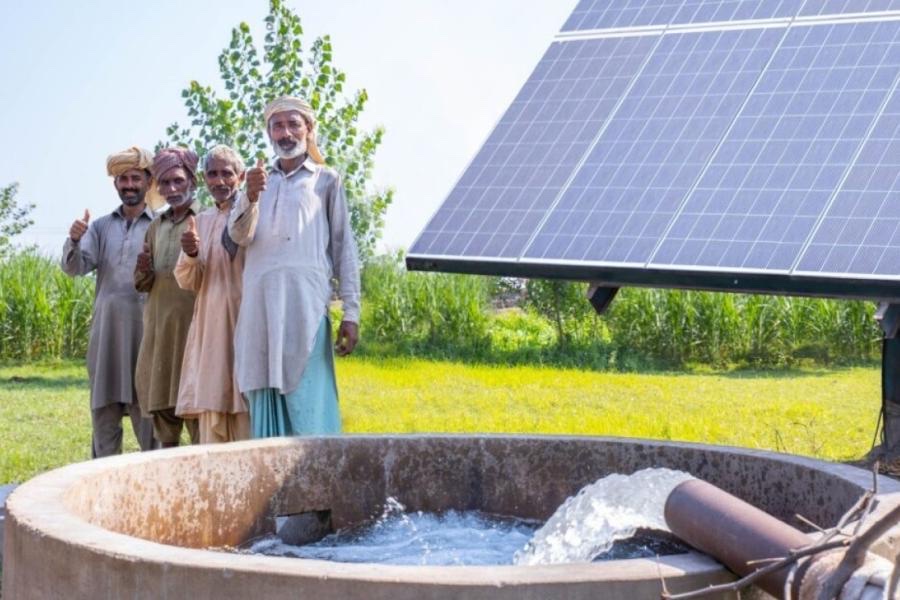
Safe Water Access + Responsible Water Stewardship
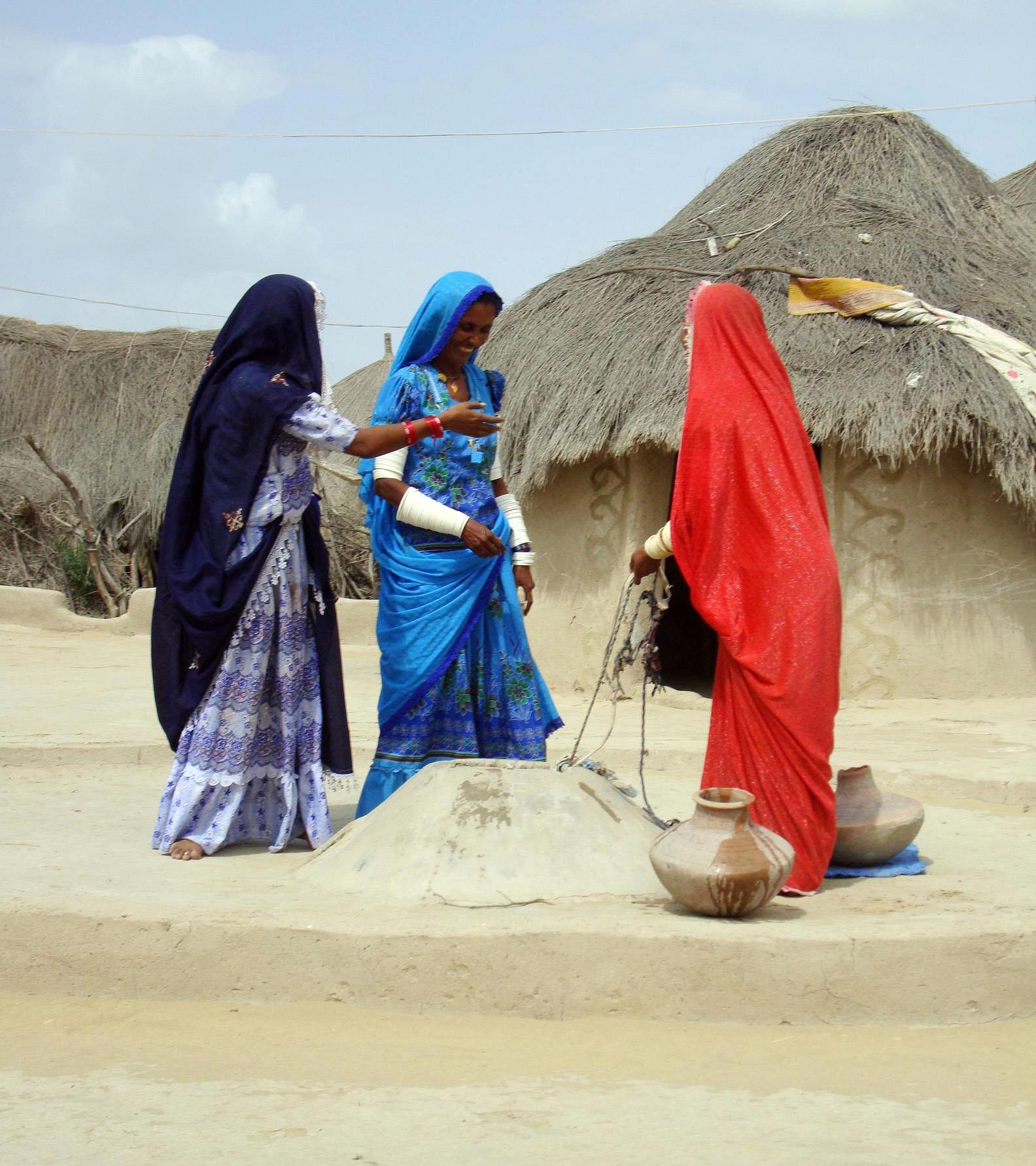
Water scarcity and contamination are among the leading drivers of childhood illness and rural hardship in Sindh. When groundwater tables drop or surface channels are polluted, women and children spend hours fetching water that is often unsafe to drink.
Jamila Welfare Foundation approaches water both as a vital humanitarian right and a precious ecological resource that must be conserved:
- Community Safe Water Points: Installing and maintaining communal handpumps, storage tanks, and filtration access in underserved settlements.
- Household Water Conservation & Hygiene: Educating families and students on preventing tap wastage, covered water storage, and handwashing to prevent waterborne disease.
- Agricultural Water Efficiency: Encouraging mulching, shaded soil beds, and controlled irrigation to reduce evaporative water loss on small farms.
- Local Water Body Protection: Keeping village ponds and drainage channels free of solid waste and plastic dumping.
Solar Pumping & Efficient Irrigation
Clean Solar Water Access for Rural Farming Communities
Alongside safe drinking water handpumps, Jamila Welfare Foundation promotes solar-powered water pumping and lined distribution channels that eliminate costly diesel fuel use while reducing evaporation and conveyance losses for smallholder farmers.