
Supporting Smallholder Farmers Under Climate Stress
Smallholder farming families in Sindh face rising input costs for synthetic fertilizers, degrading soil organic matter, unpredictable canal water availability, and heat stress during critical cropping stages.
Jamila Welfare Foundation works alongside local growers, agricultural volunteers, and rural women to introduce low-cost, regenerative farming practices that protect both the land and family income:
- Composting & Organic Soil Health: Turning farm crop residue and organic kitchen waste into nutrient-rich compost that improves soil moisture retention.
- Agroforestry & Windbreaks: Planting nitrogen-fixing and fruit-bearing trees along field boundaries to buffer crops against hot winds and generate secondary income.
- Household Kitchen Gardens: Empowering rural and peri-urban women with seasonal vegetable seed kits and raised-bed training to improve family nutrition.
- Water-Efficient Cultivation: Promoting mulching, furrow optimization, and drip/solar irrigation integration.
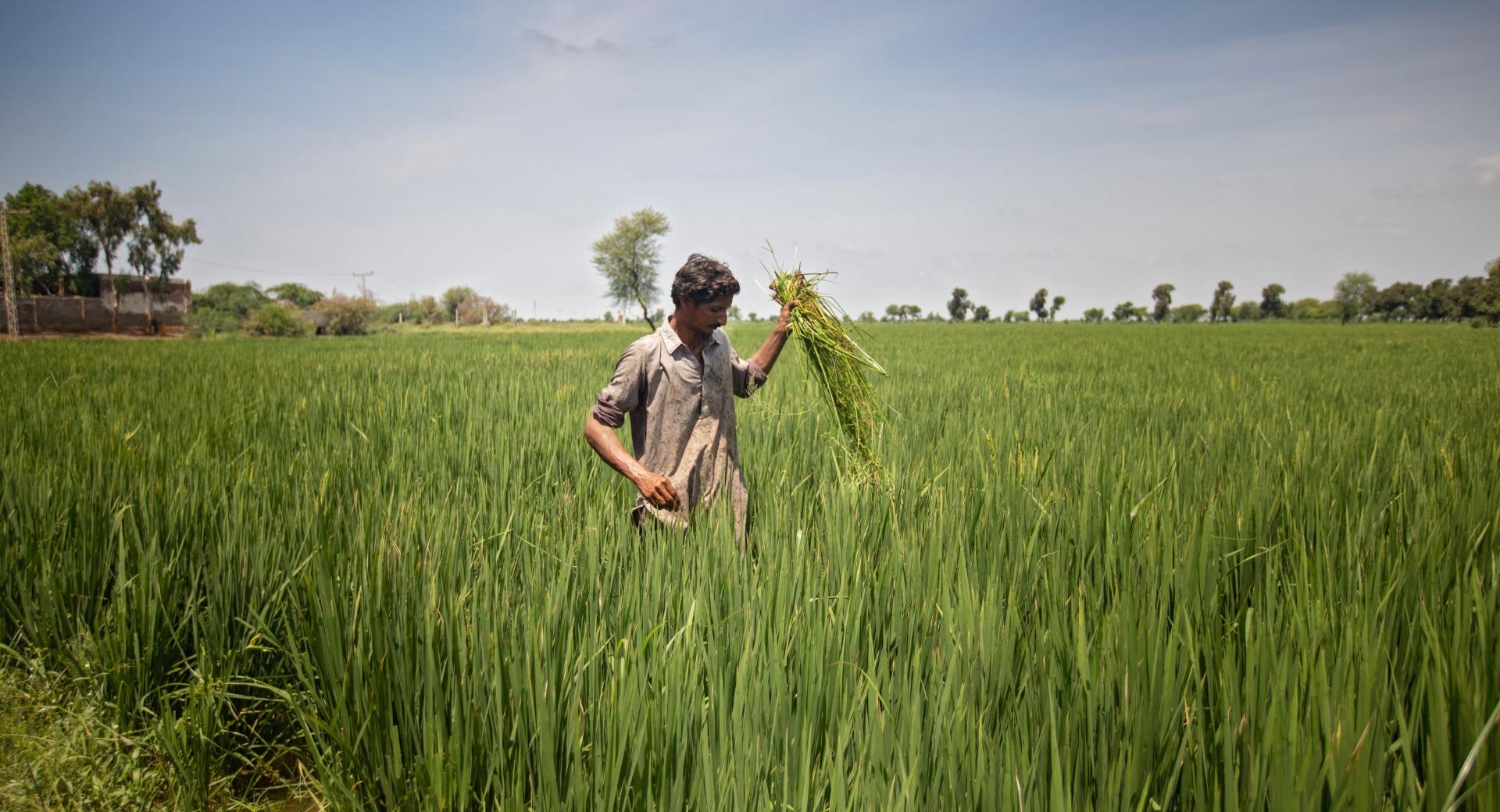
Scientific Soil Care & Community Agroforestry
Combining practical field diagnostics with native boundary tree plantation to restore soil fertility and protect smallholder harvests.
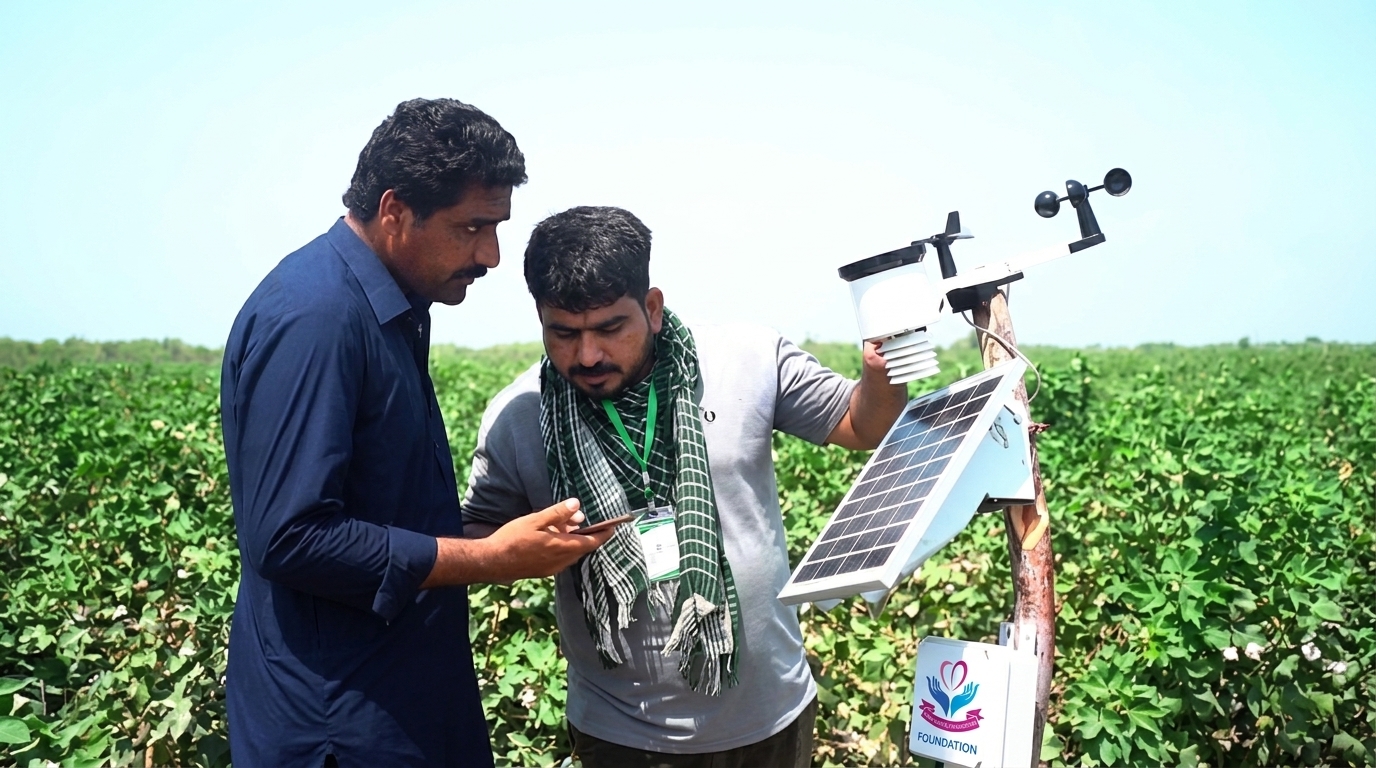
Precision Soil Health & Moisture Monitoring
Using portable soil moisture and pH testing in the field to help farmers optimize irrigation schedules and organic compost application in saline and semi-arid soils.
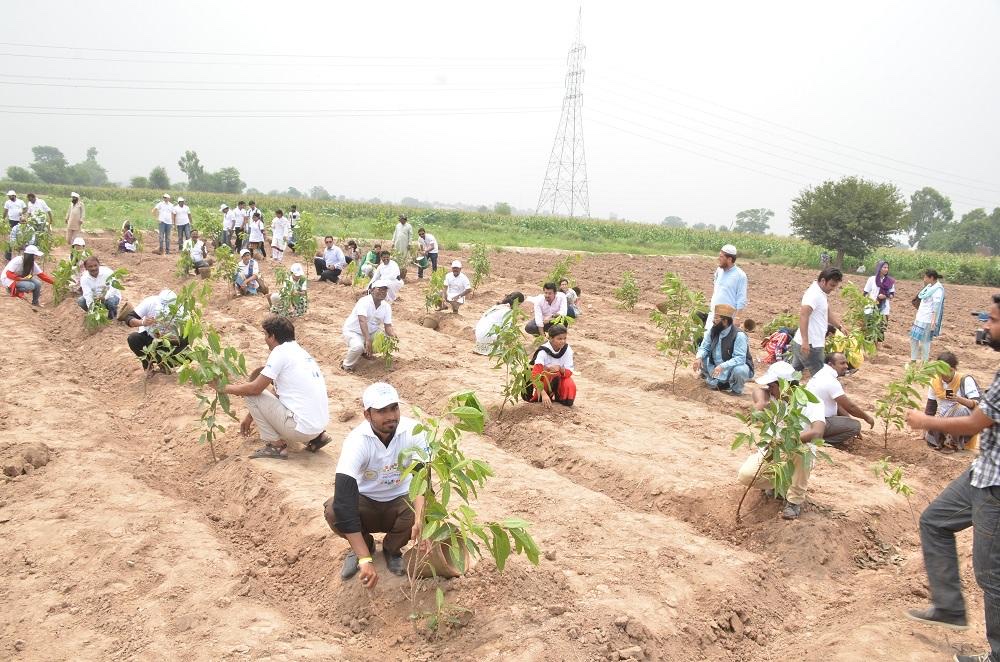
Agroforestry & Native Boundary Plantation
Planting Moringa, Neem, and fruit trees along field margins to buffer crops against hot winds, improve soil nitrogen, and diversify household nutrition.
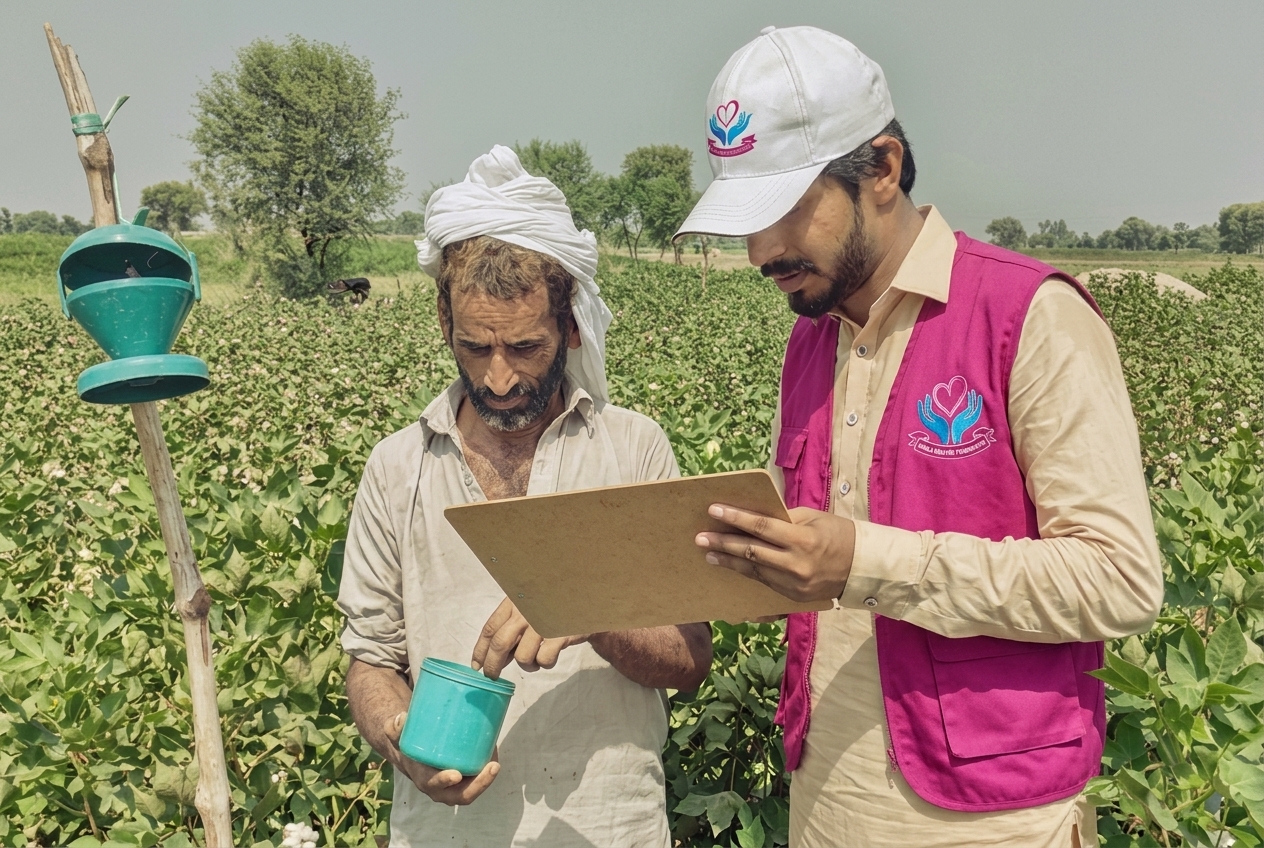
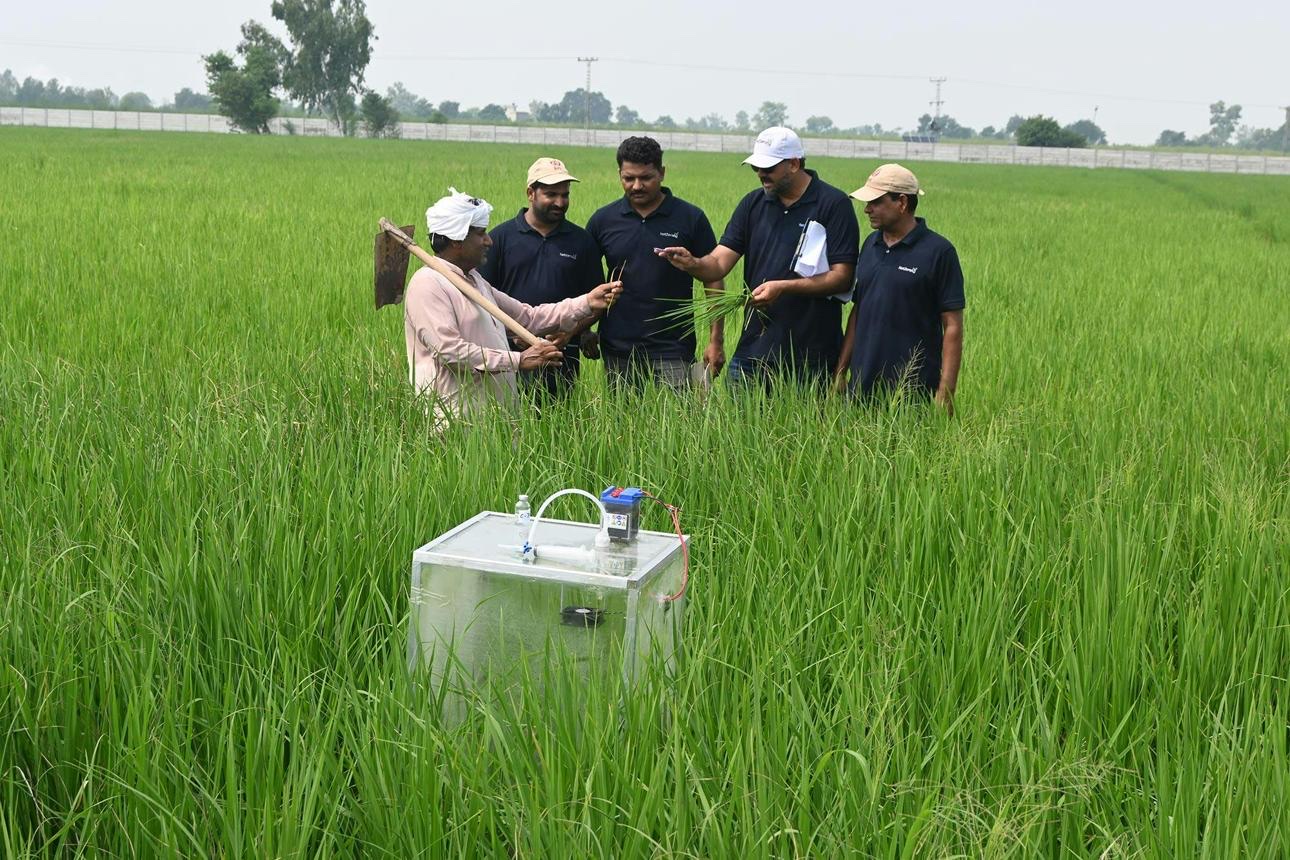
Smallholder Farmer Field Schools & Bio-Pest Control
Our field coordinators work side-by-side with cotton, wheat, and vegetable growers across Sindh to deploy pheromone traps, reduce toxic pesticide reliance, and lower input costs.
Organic Composting & Saline-Tolerant Crop Advisory
Practical training in organic soil enrichment, mulching, and heat-tolerant seed selection to safeguard rural household food security.